
La madrastra: Evolución del personaje
En este artículo nos sumergimos en el mundo de la literatura y el cine para explorar la figura de la madrastra. Tradicionalmente vista como un personaje negativo, la madrastra ha evolucionado con el tiempo, adquiriendo matices que reflejan cambios culturales y sociales.
Históricamente, la madrastra ha sido retratada predominantemente como una figura malévola. En los cuentos de hadas tradicionales, como los de los Hermanos Grimm, la madrastra, a menudo, simboliza la maldad pura.

En «Blancanieves«, por ejemplo, la madrastra es impulsada por la envidia y la vanidad, lo que la lleva a intentar asesinar a Blancanieves. Estos cuentos reflejan una perspectiva cultural en la que las madrastras eran vistas con desconfianza y temor, como una amenaza para la armonía del hogar tradicional.
Con el avance del tiempo, la literatura comenzó a ofrecer una visión más matizada de la madrastra. En el siglo XX, autores como Daphne du Maurier en «Rebeca« presentaron madrastras (o figuras similares) en roles más complejos. Aunque la señora Danvers no es una madrastra en el sentido estricto, su rol en la historia como una figura materna opresiva y manipuladora ofrece paralelos interesantes.
Además, en la literatura contemporánea, vemos un cambio hacia una representación más empática y realista de la madrastra.
Autores como J.K. Rowling en «Harry Potter« presentan a Petunia Dursley, quien, aunque no es una madrastra, cumple un rol similar. Su complejidad se revela gradualmente a lo largo de la serie, mostrando cómo las experiencias pasadas y los celos influenciaron su comportamiento hacia Harry.
En el cine, la madrastra también ha experimentado una evolución notable. Mientras que las adaptaciones tempranas de cuentos de hadas tendían a perpetuar la imagen de la madrastra malvada, producciones más recientes han comenzado a retratarlas de manera más equilibrada y humana.
Un ejemplo notable es la película «Into the Woods«, donde la madrastra de Cenicienta, interpretada por Christine Baranski, muestra no solo crueldad, sino también matices de vulnerabilidad. Esta representación es un alejamiento significativo de la pura maldad, sugiriendo que hay más en su historia de lo que se ve a primera vista.
En «Maléfica«, una reinterpretación moderna del clásico «La bella durmiente«, se explora la historia desde la perspectiva de la ‘madrasta’, Maléfica, revelando las razones detrás de sus acciones y transformándola en un personaje más empático y tridimensional.
La transformación de la madrastra en la cultura popular es un reflejo de los cambios en la estructura familiar y las actitudes sociales. A medida que las familias reconstituidas se han vuelto más comunes, la representación de la madrastra ha evolucionado para reflejar esta realidad.
Este cambio sugiere una mayor aceptación y comprensión de los diversos roles dentro de la familia moderna.

La evolución del personaje de la madrastra en la literatura y el cine es un indicador de cómo las narrativas pueden adaptarse a los cambios en las percepciones sociales.
De ser un personaje unidimensional y negativo, la madrastra se ha transformado en un personaje más complejo y matizado.
Esta evolución no solo enriquece las historias en las que aparecen estos personajes, sino que también refleja una comprensión más profunda y matizada de la dinámica familiar en la sociedad contemporánea.
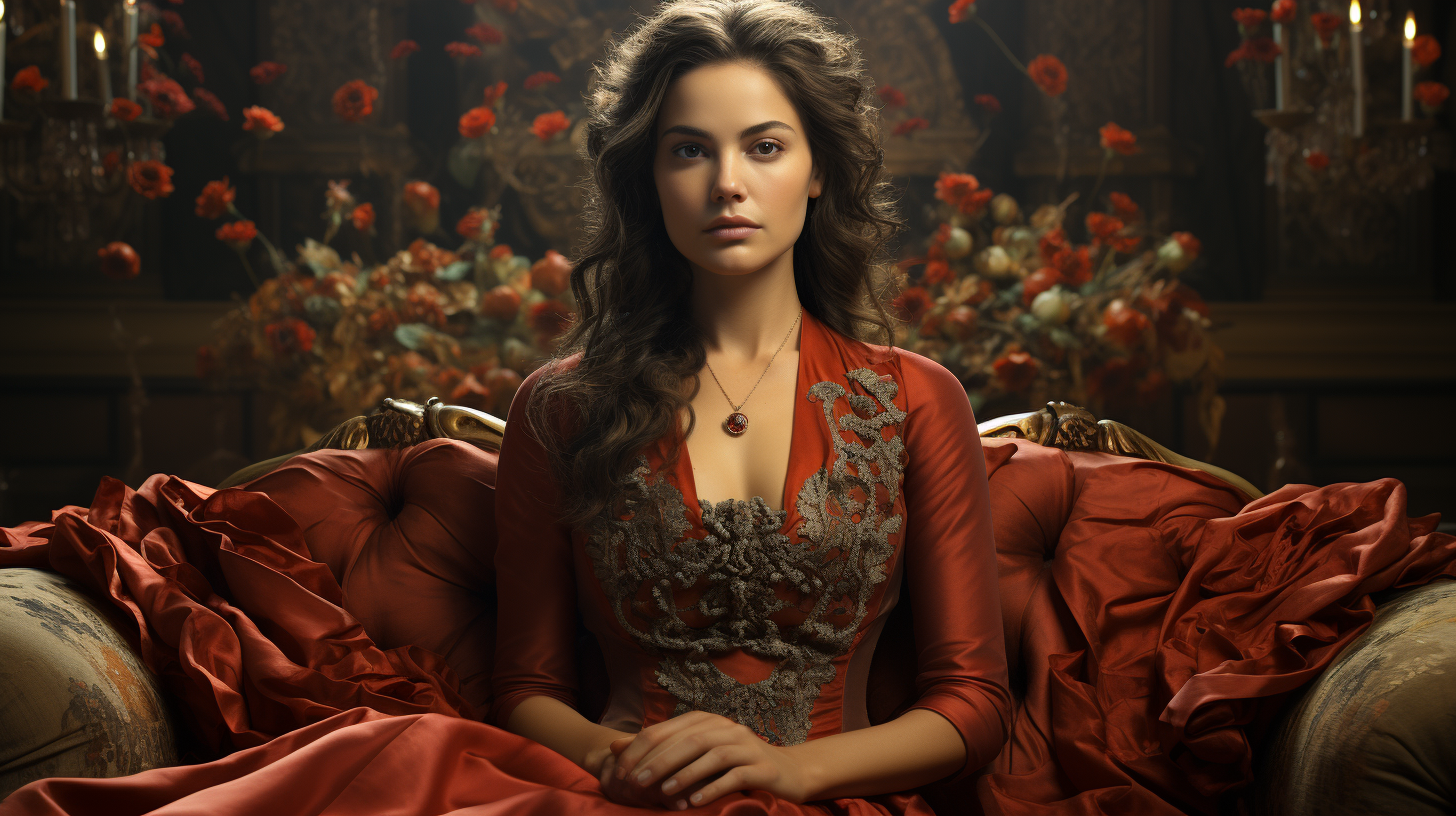
La madrastra en la literatura
Las madrastras en la literatura han pasado de ser meras antagonistas a personajes con profundidad y complejidad.
Un claro ejemplo de esta evolución lo encontramos en «Blancanieves y los siete enanitos«, donde la madrastra de Blancanieves es retratada como una villana clásica, simbolizando la envidia y el rencor. Esta narrativa, arraigada en los cuentos de hadas, ha permeado durante siglos la percepción cultural de la figura de la madrastra.
Sin embargo, con el paso del tiempo y los cambios en la sociedad, la literatura ha comenzado a ofrecer una imagen más matizada y realista de estas figuras.
En obras como «Cenicienta» de Charles Perrault, en su versión original, la madrastra es retratada con las características tradicionales de crueldad y envidia, sin una complejidad significativa en su carácter. Sin embargo, en adaptaciones y revisiones modernas de esta historia, se observa una evolución hacia una representación más matizada de la madrastra.
Estas interpretaciones contemporáneas reflejan los cambios en los roles femeninos en la sociedad, ofreciendo una visión más amplia y diversa de los personajes femeninos, incluyendo una exploración más profunda de sus personalidades y motivaciones.
También destacamos libros donde las madrastras juegan un papel crucial, mostrando este cambio de paradigma.
En «Mujercitas» de Louisa May Alcott, la figura central de maternidad es la Sra. March, conocida cariñosamente como Marmee, quien es la madre biológica de las cuatro hermanas March. Marmee se destaca por sus fuertes cualidades maternales, ejerciendo una influencia significativa en la formación moral y emocional de sus hijas.
La novela resalta su papel como pilar de sabiduría, amor y guía, mostrando cómo su presencia y enseñanzas moldean el carácter y las decisiones de las jóvenes protagonistas en un entorno familiar unido y afectuoso.
Además, «La Cenicienta que no quería comer perdices» de Nunila López Salamero y Myriam Cameros Sierra, es un relato que desmonta los clichés de los cuentos de hadas, ofreciendo una perspectiva fresca y feminista.
En esta historia, la madrastra y otros personajes clásicos son vistos bajo una luz diferente, invitando a los lectores a cuestionar los roles tradicionalmente asignados a las mujeres en la narrativa.
Estos libros no solo ofrecen una visión más rica y diversa de las madrastras, sino que también reflejan cómo la literatura puede ser un espejo de los cambios sociales y culturales. Explorar estos títulos es sumergirse en una conversación en curso sobre género, poder y familia en nuestra sociedad.
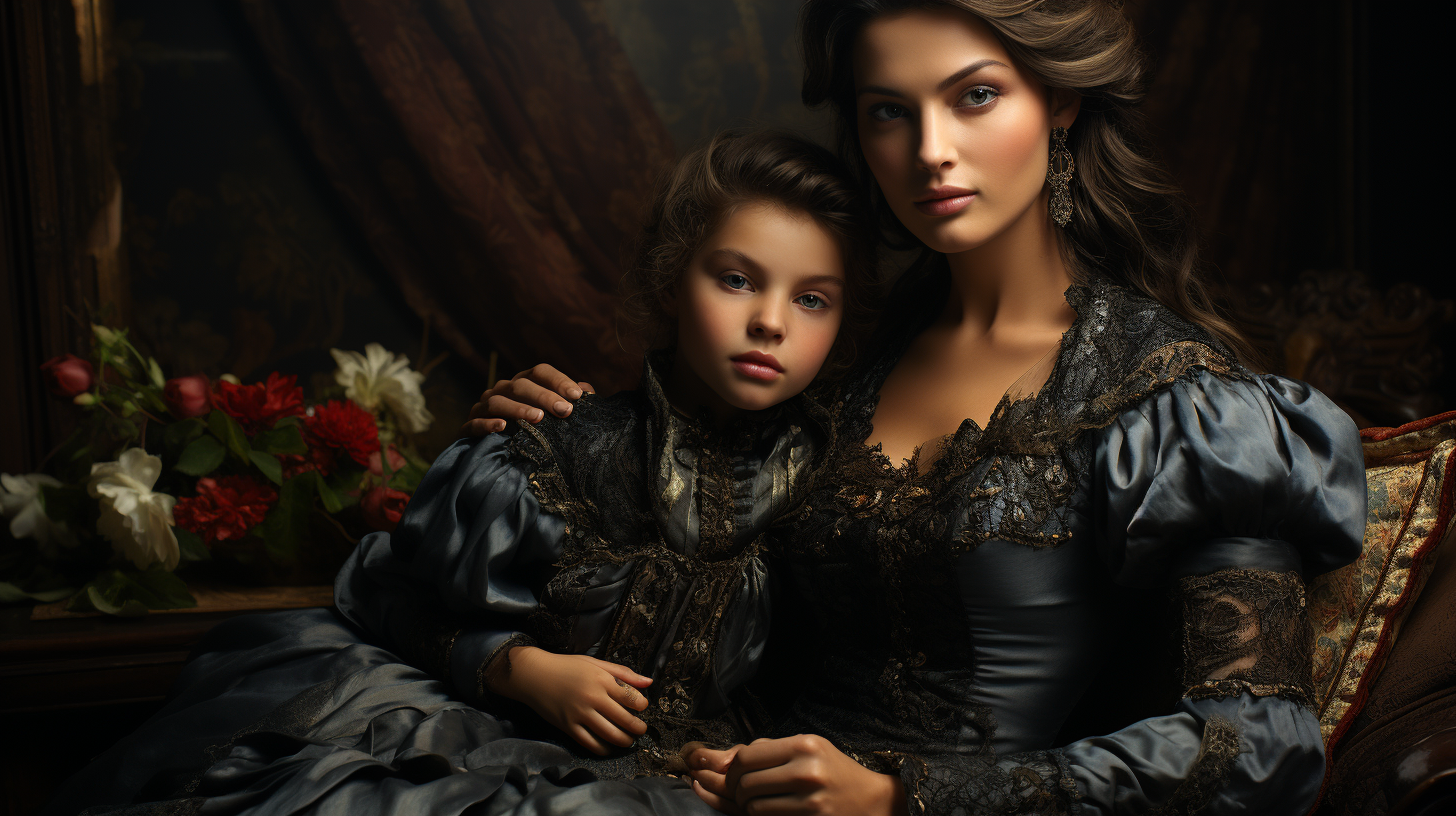
La madrastra en el cine
El cine ha dado vida a las madrastras de maneras fascinantes y diversas. Desde la malévola madrastra de «Cenicienta« en su adaptación de Disney, que se ha convertido en un ícono de la maldad, hasta personajes más complejos y matizados en películas modernas, el cine ha reflejado la diversidad de estos personajes.
Un ejemplo emblemático es la película «Stepmom«, protagonizada por Julia Roberts y Susan Sarandon. La historia se centra en Isabel (Roberts), una madrastra que lucha por ganarse el cariño de los hijos de su pareja, enfrentándose al mismo tiempo a la hostilidad de la madre biológica, Jackie (Sarandon). La película aborda con sensibilidad la dinámica familiar y la complejidad de las relaciones entre madrastras, hijos y madres biológicas.
Otra adaptación cinematográfica notable es «Ever After: A Cinderella Story«, donde Anjelica Huston interpreta a la madrastra de Cenicienta. A diferencia de la versión animada de Disney, esta película ofrece una narrativa más realista y menos caricaturesca, aunque la madrastra sigue siendo un personaje antagónico.
Además, «Mi novia es un extraterrestre«, protagonizada por Kim Basinger, presenta una versión más ligera y cómica de la madrastra. En esta película, Kim Basinger es una extraterrestre que se infiltra entre los humanos y termina siendo la madrastra de un niño, aportando un giro humorístico al arquetipo tradicional.
La película «Juno» también ofrece una mirada única a la figura de la madrastra. Allison Janney interpreta a la madrastra de Juno, quien, lejos de ser la antagonista típica, se muestra como un pilar de apoyo y comprensión para la protagonista adolescente durante su embarazo inesperado.
Por último, Victoria Ruffo en «La madrastra», es una telenovela que gira en torno a María Fernández Acuña de San Román, quien pasa 20 años en la cárcel por un crimen que no cometió y luego lucha por demostrar su inocencia y ganarse el amor de sus hijos como madrastra.
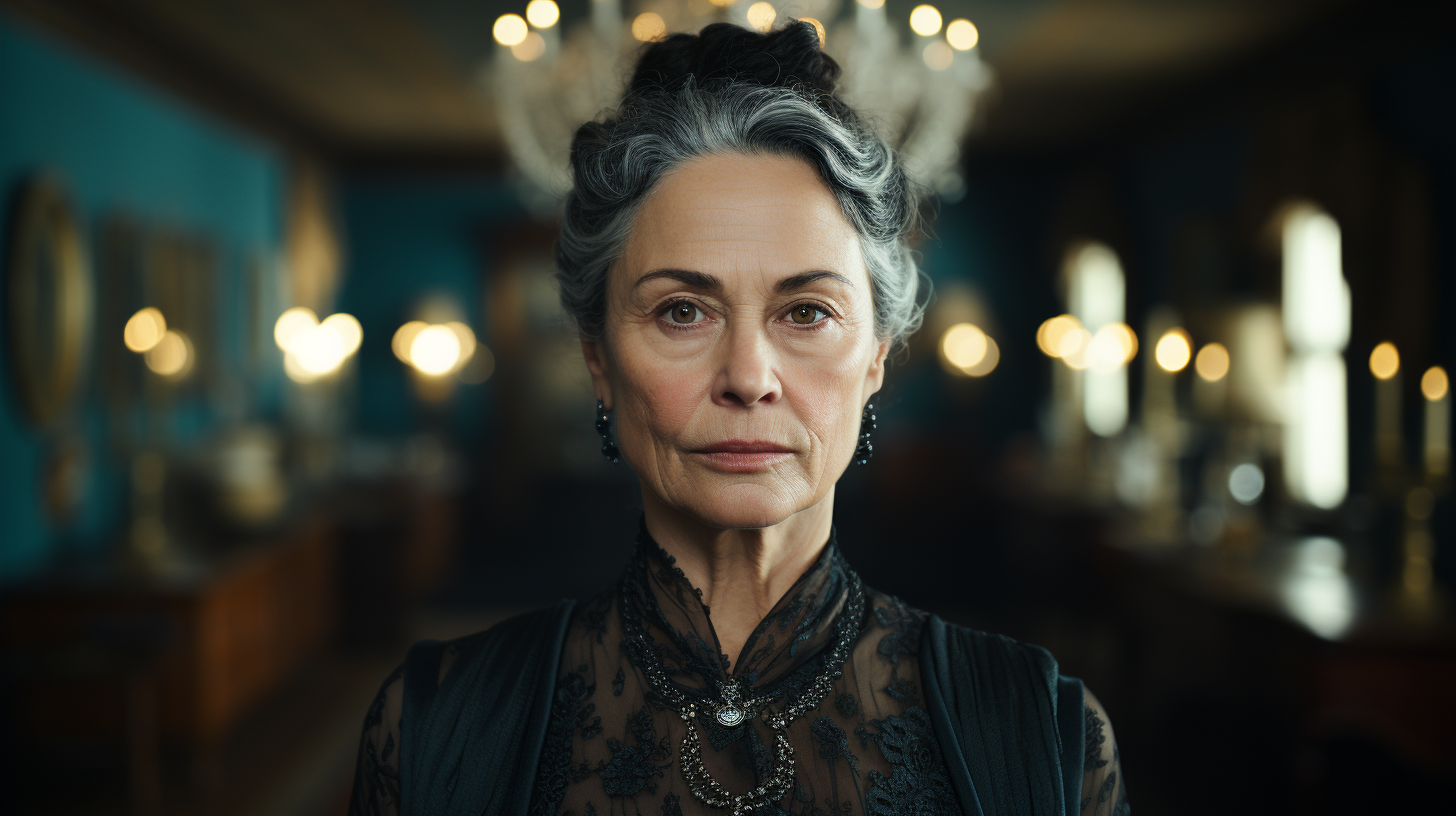
Conclusión:
A lo largo de este artículo, hemos explorado la fascinante evolución de la figura de la madrastra en la literatura y el cine, una transformación que refleja los cambiantes paradigmas sociales y familiares.
Hemos visto cómo este personaje, tradicionalmente retratado como una villana unidimensional en los cuentos de hadas clásicos, ha adquirido una profundidad y complejidad notables en representaciones más modernas.
La madrastra, que antes simbolizaba la maldad y la crueldad, ahora también aparece como un personaje matizado, con sus propias historias, luchas y triunfos.
Este cambio no es solo una evolución en la narrativa, sino también un reflejo de la sociedad contemporánea y su comprensión más inclusiva y empática de las dinámicas familiares.
En la actualidad, las madrastras en la ficción pueden ser vistas como figuras de apoyo, cuidado y amor, desafiando los estereotipos anticuados y abriendo un diálogo sobre la diversidad de las estructuras familiares.
Al cerrar este recorrido, reconocemos cómo la literatura y el cine continúan adaptándose y respondiendo a la evolución de los roles familiares, ofreciendo una ventana a la comprensión de las complejidades humanas y sociales a través del arte.
La madrastra, como personaje, ha demostrado ser un espejo poderoso de estos cambios, invitando a los lectores y espectadores a reexaminar y apreciar la riqueza de las narrativas familiares en todas sus formas.